Hidden Risks in Investing in Pioneertown Property: What Recent Trends Reveal
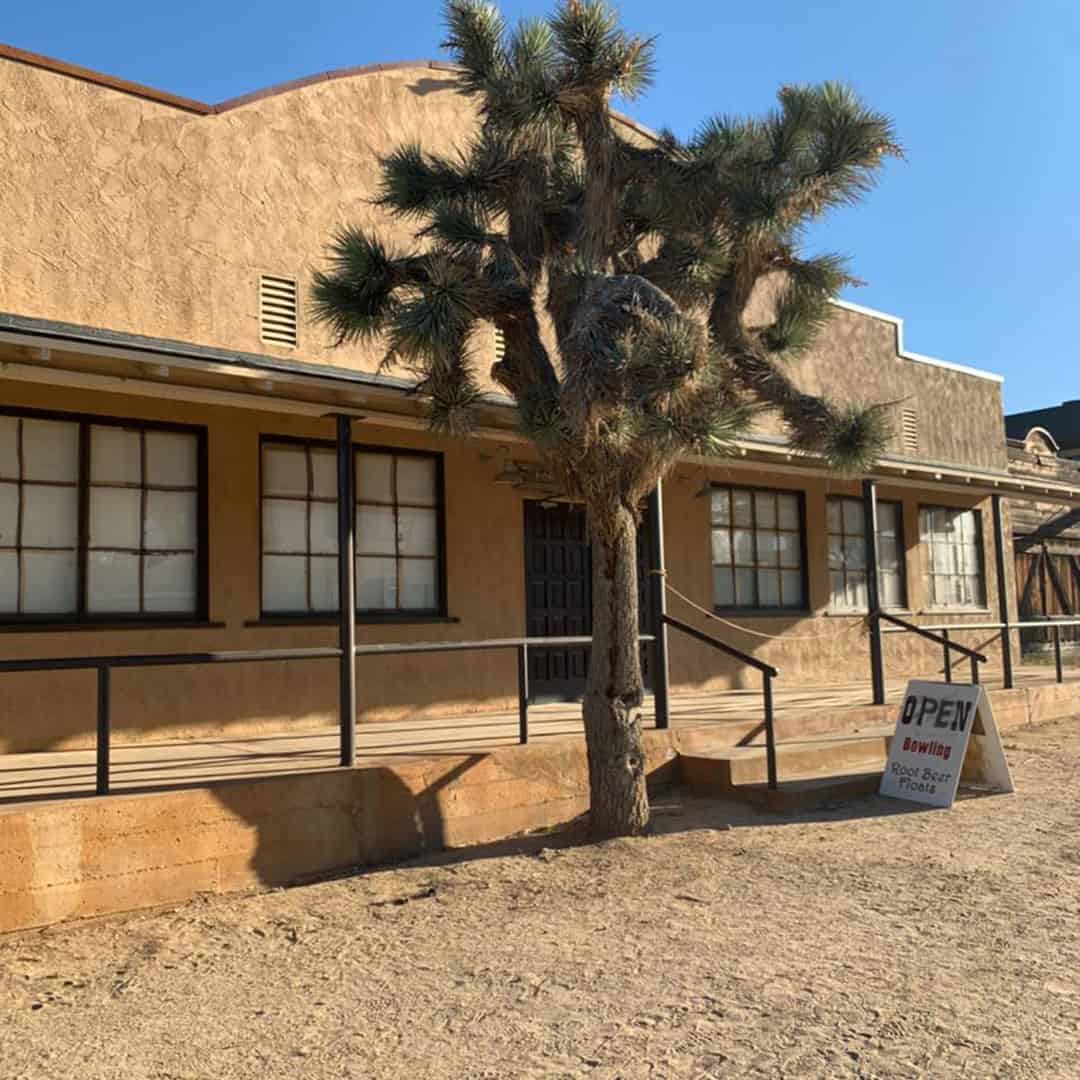
Pioneertown is no longer just a quirky Hollywood backdrop from the 1940s. With its legendary live music at Pappy & Harriet’s, sweeping desert vistas, and authentic Old West architecture, this High Desert enclave has become a magnet for tourists, creatives, and real estate investors alike.
However, beneath the cinematic charm and the promise of lucrative Airbnb returns lies a complex landscape of zoning laws, environmental hurdles, and infrastructure challenges. If you are looking to purchase a slice of this desert paradise, understanding the hidden risks in investing in Pioneertown property is absolutely essential. The High Desert is a beautifully unforgiving environment, and what looks like a straightforward real estate transaction can quickly turn into a logistical nightmare.
Let’s dive into what recent market trends reveal about the realities of buying here, and explore actionable property investment advice to help you navigate these unique real estate risks.
The High Desert Boom: Allure vs. Reality
Over the past decade, the undeniable impact of Joshua Tree National Park tourism on land value has transformed the broader Morongo Basin. Millions of visitors flock to the park annually, driving up demand for nearby lodging. As Joshua Tree became saturated, investors naturally began looking a few miles west to Pioneertown.
Today, buyers frequently analyze the Pioneertown vs Joshua Tree investment ROI. While Joshua Tree offers immediate park proximity, Pioneertown commands a premium for its exclusive, rustic charm and generally larger lot sizes. However, that exclusivity comes with a steep learning curve. The very isolation that makes Pioneertown attractive also amplifies specific Pioneertown property investment risks.
Navigating Environmental and Geographical Realities
When you buy property in a city, you take basic utilities and safe geography for granted. In the High Desert, the environment dictates what you can and cannot do with your land.
Water Scarcity and Infrastructure
In the desert, water is gold. One of the most critical factors in any land purchase here is understanding Pioneertown water rights and well availability. Unlike suburban neighborhoods connected to a municipal grid, many Pioneertown parcels require private wells.
- The Well Gamble: Drilling a well can cost tens of thousands of dollars, and there is no guarantee you will hit a viable aquifer.
- Alternative Solutions: If drilling fails or isn’t permitted, you will face the ongoing cost of hauling water to remote properties. This requires installing massive holding tanks, upgrading access roads for heavy water delivery trucks, and paying premium monthly delivery fees, which can severely eat into your operational budget.
Extreme Weather: Fire and Water
The High Desert is prone to extreme, sudden weather events. Buyers must carefully check San Bernardino County fire hazard zones before closing on a property. Pioneertown has a history of devastating wildfires, most notably the Sawtooth Complex fire in 2006. If your property is in a high-severity fire zone, securing insurance can be exorbitantly expensive—if you can secure it at all.
Equally dangerous is the threat of sudden rainfall. Desert soil does not absorb water quickly. When summer monsoons hit, dry washes turn into raging rivers within minutes. Before building or buying, it is vital to consult Morongo Basin flash flood zone maps to ensure your intended build site or access road won’t be washed away during a storm.
Zoning, Codes, and Bureaucratic Red Tape
San Bernardino County has cracked down significantly on rural development and hospitality businesses over the last few years. Ignorance of local codes is one of the fastest ways to lose money in desert real estate.
The Short-Term Rental Landscape
If your business model relies entirely on Airbnb income, pay close attention. Over-tourism prompted local authorities to implement strict San Bernardino County short-term rental regulations.
- Oversaturation: Pioneertown and the Joshua Tree areas boomed with homes turning into STR during COVID. There is a much greater supply of STR than the demand now requires. Many investors made bad decisions.
- Permit Caps: There are now caps on the number of STR permits allowed in certain areas.
- Rigorous Inspections: Properties must pass strict safety inspections, including specific requirements for exterior lighting (to protect dark skies), noise monitoring, and parking.
- Actionable Tip: Never assume a property can be used as a short-term rental. Always verify the current permit status and neighborhood cap with the county’s Land Use Services department before purchasing.
Building Constraints and Historic Preservation
Pioneertown’s Mane Street is a historic gem, but owning property near it involves navigating Historic district building code constraints. You cannot simply build a modern, glass-box architectural home next to 1940s western facades. Modifications to existing structures or new builds in these designated areas require specialized aesthetic approvals, which can delay projects by months or years.
Even outside the historic core, you must deal with broader land use restrictions in the Morongo Basin. The county dictates minimum lot sizes for subdivisions and strictly regulates what types of structures (like yurts, RVs, or shipping containers) are legally permissible.
Furthermore, because the desert ecosystem is incredibly fragile, you may be required to pay for extensive environmental impact studies for High Desert construction. Native flora and fauna, such as the protected Joshua Tree and the desert tortoise, carry heavy legal protections. If a protected plant is located where you want to pour a foundation, you must pay specialized arborists to relocate it—a process that is both costly and highly regulated.
Hidden Infrastructure Costs and Logistics
Raw land in Pioneertown often looks like a bargain until you factor in the cost of making it habitable. Developing desert property requires a deep understanding of off-grid engineering.
Getting Power and Managing Waste
Running traditional electrical lines to a remote parcel can cost thousands of dollars per utility pole. As a result, many investors opt for self-sufficient systems. However, buyers often underestimate off-grid power infrastructure requirements. A reliable solar array, paired with heavy-duty lithium battery banks and backup generators capable of running central AC in 110-degree summers, requires a massive upfront capital investment.
Waste management is another major hurdle. Without a municipal sewer system, you will need a septic tank. Buyers frequently overlook the hidden costs of desert septic systems. The soil in Pioneertown is notoriously rocky. Standard “perc tests” (percolation tests to ensure the soil can absorb wastewater) often fail. When this happens, you are forced to design and install an engineered, raised leach field, which can double or triple your septic installation costs.
Accessibility and Boundary Issues
Just because a property looks accessible on Google Maps doesn’t mean it is. Knowing how to evaluate desert land accessibility is a crucial skill.
- Dirt Roads: Many access roads are privately graded dirt trails, not maintained by the county. Heavy rains can create massive washouts, rendering your property inaccessible to standard vehicles—and to paying guests.
- Easements: Ensure your property has legal, deeded access. You don’t want to find out that the only way to reach your land is by trespassing on a neighbor’s parcel.
Additionally, always pay for a professional survey. Desert land survey and boundary disputes are incredibly common. Many old parcels were plotted decades ago using imprecise markers like old wooden stakes or piles of rocks. Relying on an outdated fence line can result in building a structure on your neighbor’s land, leading to disastrous legal battles.
Financial Hurdles in Rural Desert Real Estate
Financing a primary residence in the suburbs is a streamlined process. Financing raw land or a unique off-grid property in Pioneertown is entirely different.
Investors must anticipate the challenges of financing rural desert land. Traditional lenders are highly risk-averse when it comes to unimproved desert parcels.
- Higher Down Payments: Land loans typically require down payments of 30% to 50%.
- Shorter Terms: Interest rates are generally higher, and repayment terms are often much shorter than a standard 30-year mortgage.
- Appraisal Issues: Unique properties (like a custom-built, off-grid adobe home) can be difficult to appraise because there are very few comparable sales (comps) in the immediate area. This can cause traditional financing to fall through at the last minute.
Because of these hurdles, cash is often king in the Pioneertown market. If you are relying on bank financing, work with local lenders who understand the nuances of the High Desert rather than a national bank unfamiliar with rural land development.
Conclusion: Entering the Market with Open Eyes
Investing in Pioneertown offers a rare opportunity to own a piece of iconic California history in a breathtaking natural setting. When executed correctly, a desert property can serve as a profitable revenue stream, an inspiring creative retreat, and a robust long-term asset.
However, success in this market requires stripping away the romanticism of the Wild West and adopting a highly pragmatic approach. By acknowledging the hidden costs—from complex environmental protections and strict county regulations to the gritty realities of septic tanks and water hauls—you can protect your capital. Thorough due diligence is your best defense against the unique challenges of the High Desert. Partner with local real estate experts, conduct rigorous inspections, and always plan for contingencies in your budget. By doing so, you can safely navigate the risks and build a resilient, profitable portfolio under the vast desert sky.
Source:
Posted: September 22, 2026