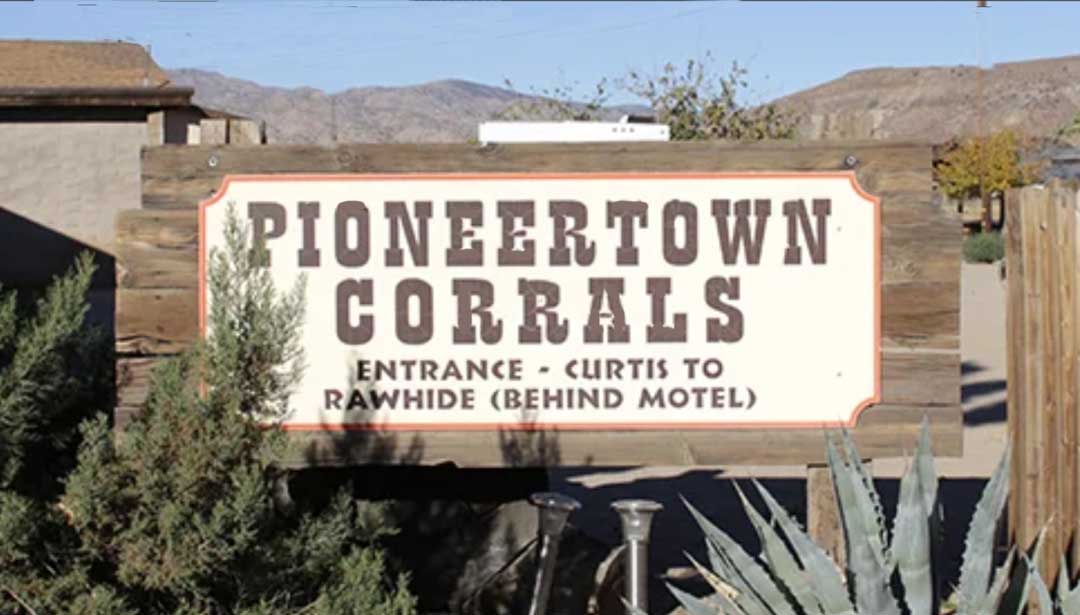
How Did Pioneertown Evolve From a Movie Set to a Living Community?
How Pioneertown evolved from a movie set to a living community is not a story of a fake town accidentally becoming real. Pioneertown was designed from the beginning as a community: a self-contained economic ecosystem where residents, businesses, lodging, horses, food, shops, and services could support film production, while the film industry brought work, visitors, income, and attention back to the town. That original idea still explains the place better than any postcard image of weathered facades and dusty boardwalks.
How did Pioneertown become more than a movie set?
Pioneertown became more than a movie set because it was never meant to be only a temporary backdrop. Founded in 1946, it was planned as a functioning 1880s-style town where film crews could shoot Westerns, entertainers could stay or live, visitors could spend money, and local businesses could operate when cameras were not rolling. In other words, the set and the settlement were built into the same business model from day one.
That distinction matters. Many Western film sets were built for a production, used hard, and then abandoned, altered, or demolished. Pioneertown’s founders imagined something more durable: a desert place close enough to Los Angeles and Palm Springs to be practical, but far enough into the high desert to feel convincingly frontier. Its “Mane Street” could look like the Old West on camera while also serving as a real commercial strip off camera.
This is the key to understanding Pioneertown history. The film industry needed dependable locations, lodging, supplies, animals, food, and atmosphere. The community needed customers, jobs, visibility, and a reason to keep improving the town. Pioneertown’s evolution grew from that exchange.
The founding vision was a working town on and off camera
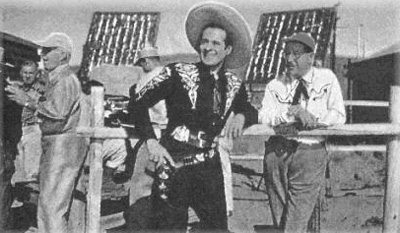
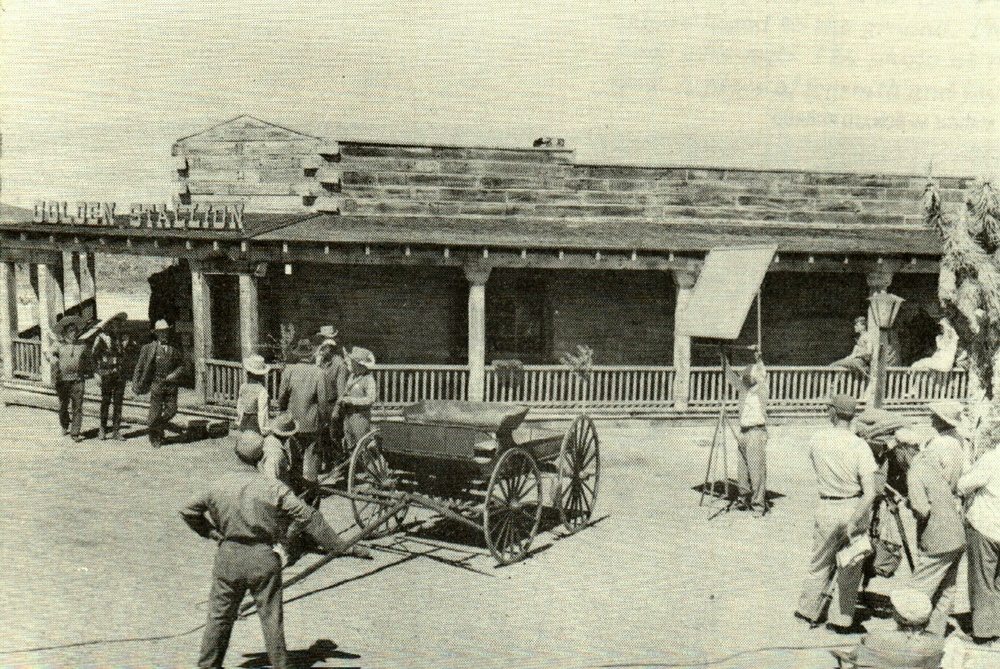
Pioneertown began when actor Dick Curtis and a group of investors connected to the entertainment world backed the idea of a “living, breathing” Western movie town. The founders purchased a large tract of desert land and planned a place that could serve filmmakers, vacationers, ranchers, desert residents, and entertainment workers at the same time. Early accounts emphasize that the town was intended as a filming location, a vacation destination, and a permanent residence, not simply as scenery.
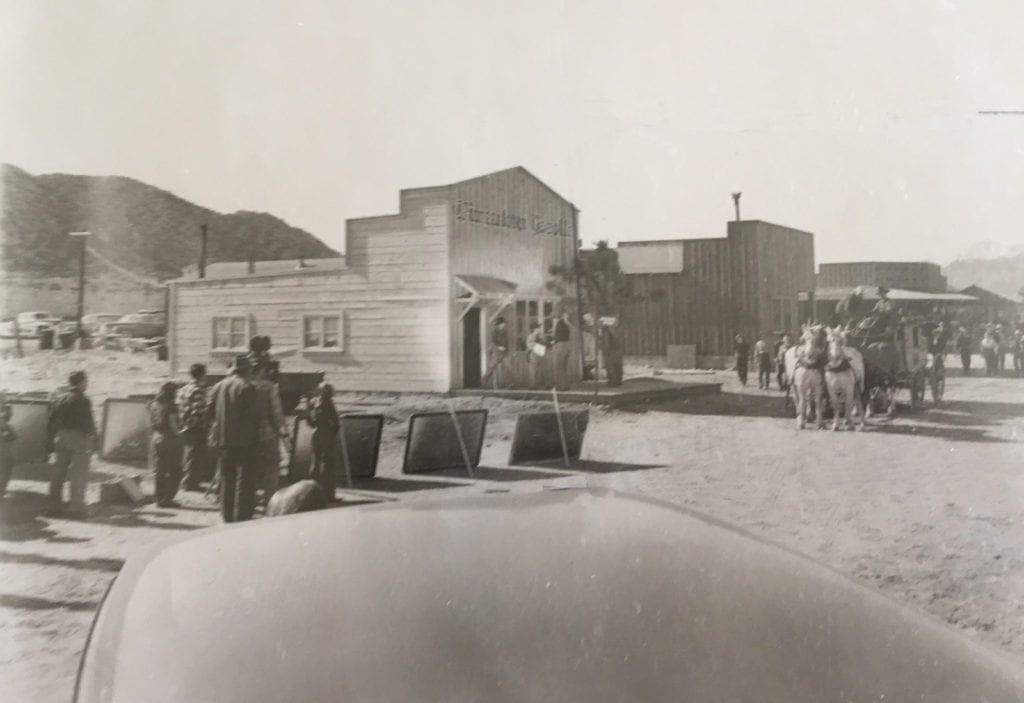
That vision produced a hybrid place. A grocery, motel, saloon, restaurant, feed barn, ice cream shop, beauty shop, bowling alley, shooting gallery, and local newspaper were among the early businesses associated with the town’s first phase. These were not just props with empty space behind them. They were meant to feed crews, house actors, entertain residents, serve horses and ranch users, and make the town livable when production trucks left.
The result was a rare kind of movie ranch. According to the National Register documentation for the Mane Street Historic District, Pioneertown stood out because its Western-themed stage-set buildings were intended from the start to function as commercial stores, serving both film production and the visiting public during non-filming periods. That dual purpose helped Pioneertown avoid becoming just another forgotten studio relic.
Mane Street made the illusion practical
The genius of Mane Street was that it worked from two directions. From the outside, its facades gave filmmakers the visual shorthand they wanted: saloons, jails, stables, storefronts, dusty streets, and frontier silhouettes. From the inside, the buildings could support real activity, from lodging to entertainment to retail.
That practicality shaped the town’s identity. Instead of separating “movie magic” from daily life, Pioneertown layered them together. A building could be part of a shoot one day and part of local commerce the next. A resident, business owner, horse handler, or visitor could become part of the atmosphere that made the town valuable to productions.
This is why the town still feels different from a theme park. Its charm comes from the tension between performance and use. You may see false fronts, but you are also walking through a place where people live, work, preserve buildings, host events, welcome travelers, and debate what responsible growth should look like.
What changed when Westerns faded?
When the golden age of Westerns slowed, Pioneertown had to rely less on steady production work and more on the people and businesses that remained. The town’s early plans for broader expansion were limited by practical desert realities, including water constraints, and the decline of Western film and television reduced the constant demand for this kind of location. Yet the community did not disappear; it adapted.
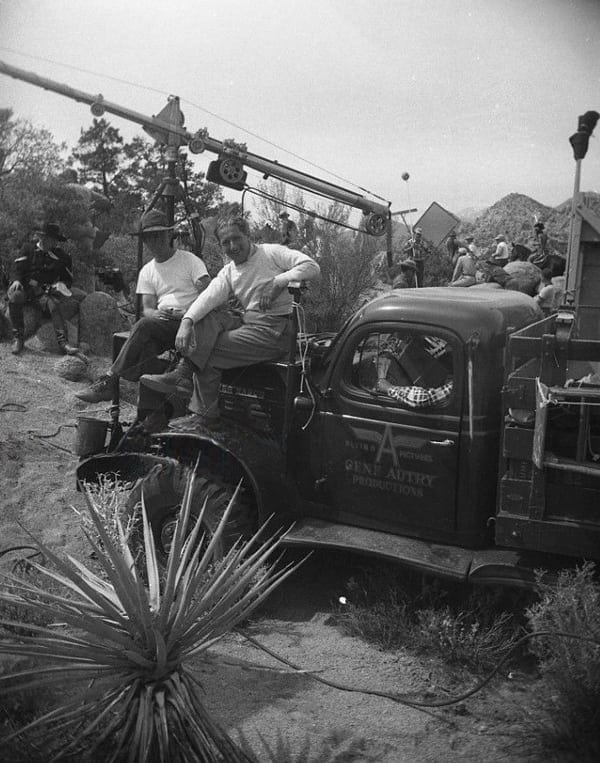
The 1940s and 1950s were the town’s best-known film years, with Westerns and television productions helping define its reputation. The Cisco Kid, The Gene Autry Show, Annie Oakley, and other productions are commonly associated with the town’s filming era, and Gene Autry frequently used the Pioneer Bowl as a filming location.
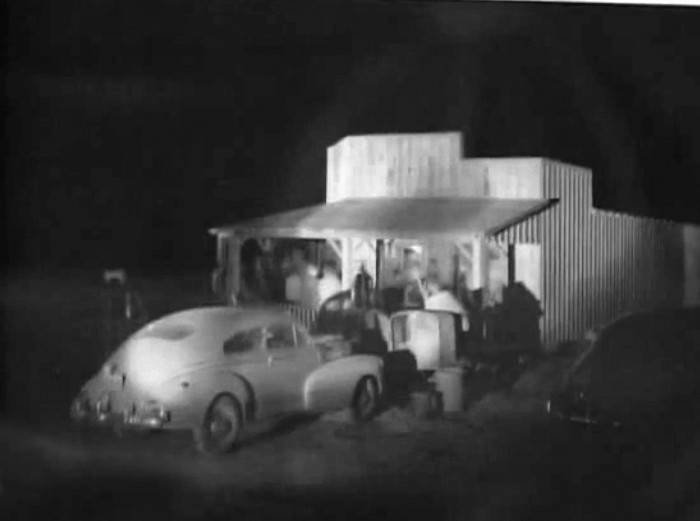
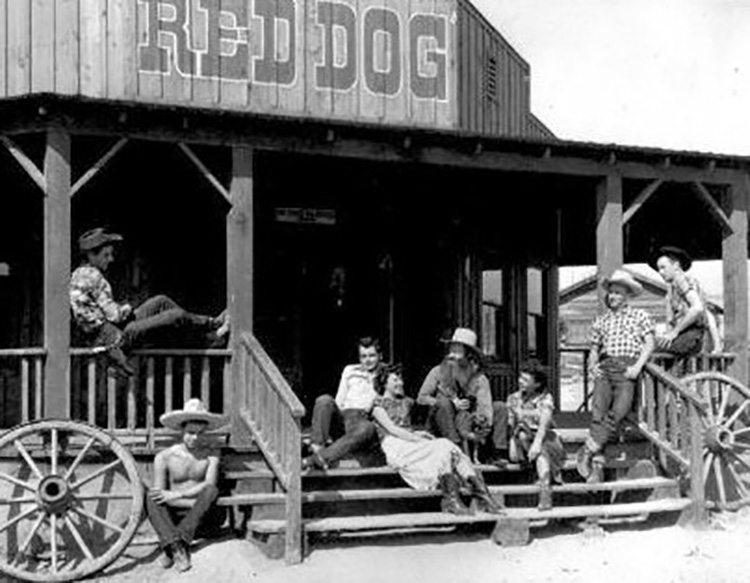
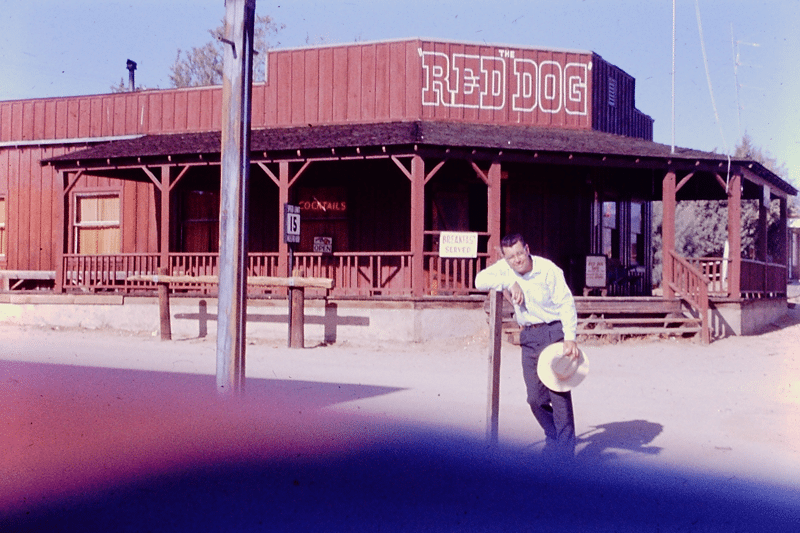
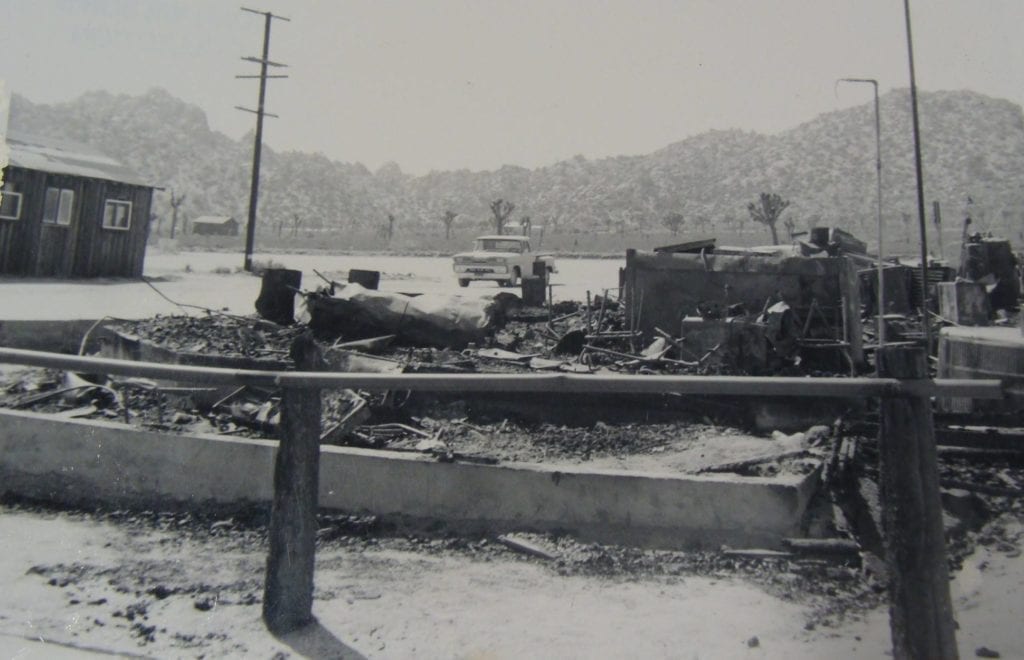
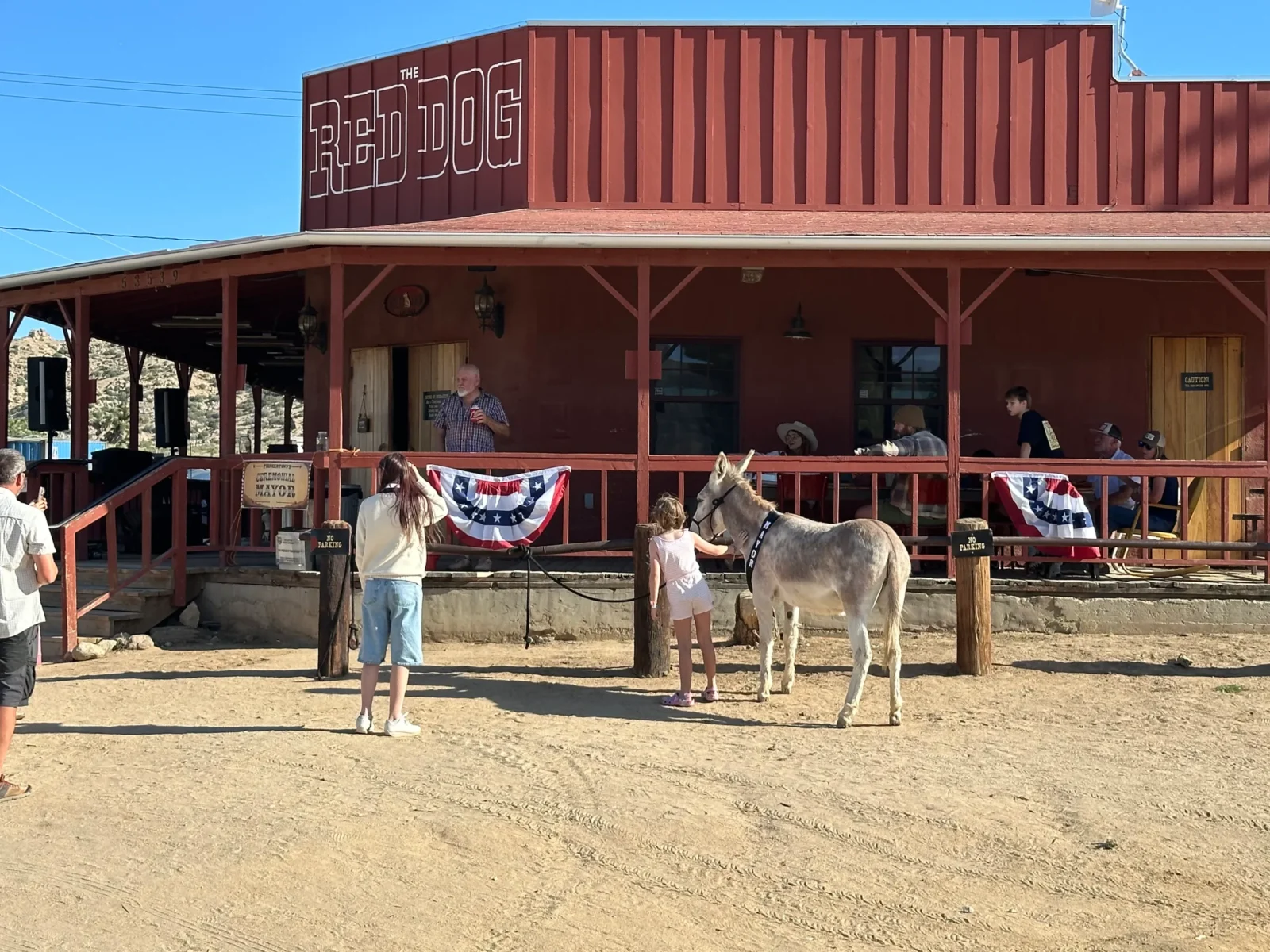
But Pioneertown’s survival did not depend on pretending nothing had changed. As Westerns lost their dominance, the town’s value shifted. It became a historic place, a desert curiosity, a road-trip destination, a local community, a music stop, an artists’ magnet, and a still-usable production location for smaller projects, videos, commercials, and independent work. That shift is the heart of Pioneertown evolution.
Pioneertown attractions keep the story active
Today’s Pioneertown attractions matter because they do more than entertain visitors. They keep the town’s layered identity visible: film history, local business, desert culture, preservation, and live community life all overlap. For visitors, the best experience comes from treating Pioneertown as a real place with history rather than as a photo backdrop.
Useful ways to experience the town include:
- Walking Mane Street slowly. The historic district is the best place to see how the town’s facades, storefronts, and boardwalk atmosphere still carry the original Western design. San Bernardino County notes that Mane Street structures remain well preserved and continue to function as retail, restaurant, lodging, and related uses.
- Noticing what is functional. The point is not only how old the buildings look, but how many were designed to do real work. That detail reveals the original community plan more clearly than a quick snapshot ever could.
- Visiting local food and music venues. Pappy & Harriet’s Pioneertown Palace, which opened in 1982 after the earlier Cantina era, became one of the town’s best-known modern anchors for dining and live music.
- Looking for reenactments and public events when available. Western reenactments on Mane Street are part of the visitor experience, but schedules can vary, so it is wise to check current local information before planning around them.
- Exploring the surrounding desert responsibly. Pioneertown Mountains Preserve surrounds the community with volcanic mesas, the Sawtooth Mountains, and preserve lands connected to the San Bernardino National Forest, adding a conservation dimension to the area’s appeal.
Together, these attractions show why Pioneertown still works. The town gives visitors a tangible encounter with Hollywood Western history, but it also asks them to see the present-day community that maintains the place.
The historic district turned survival into recognition
One major milestone in Pioneertown’s modern identity was the listing of the Pioneertown Mane Street Historic District in the National Register of Historic Places in May 2020. San Bernardino County describes the district as locally significant for film and television history, while the National Register documentation emphasizes its rarity as a surviving Western-themed movie-ranch main street from Southern California’s Golden Age of Western production.
Recognition matters because it gives language to what residents and visitors have sensed for decades: Pioneertown is not valuable only because famous names passed through it. It is valuable because its design captured a specific moment in entertainment, architecture, tourism, and desert settlement. Its buildings were theatrical, but their continued use made them historically meaningful.
The town also survived threats that erased or damaged other movie-ranch environments. The National Register materials note that many Western-themed movie-ranch main streets were demolished, fell into disuse, or were destroyed by fire, while Pioneertown’s Mane Street endured. That survival gives the community both an opportunity and a burden: it must welcome interest without losing the qualities that made the place worth preserving.
Why does Pioneertown still feel alive?
Pioneertown still feels alive because its identity has always depended on use, not just preservation. People live there, businesses operate there, visitors arrive, musicians play, hikers pass through, preservation questions continue, and productions still find value in the setting. The town’s ongoing character comes from the same loop that shaped it originally: creative activity supports the community, and the community keeps the creative setting intact.
That loop is not always simple. A place that attracts tourists must also protect residents’ privacy. A historic district must allow maintenance and business activity while keeping its visual character. A community known for a movie-set past must resist becoming a hollow imitation of itself.
San Bernardino County’s current planning work around a Pioneertown Special Development District reflects that balance. The stated purpose is to create design and development standards that reinforce and maintain Pioneertown’s existing aesthetics and character, showing that the town’s future is still being actively negotiated by residents, business owners, planners, and stakeholders.
What Pioneertown teaches about place-making
Pioneertown’s story is useful beyond film history because it shows how a place can begin as a commercial idea and still develop authentic community meaning. Its founders had a practical plan: reduce production friction, create a permanent Western setting, sell land, attract visitors, and support a desert settlement. But the community that followed gave the plan depth.
A few lessons stand out:
- Design works best when it serves real life. Pioneertown’s facades lasted because they were attached to useful interiors and local needs.
- Economic ecosystems need reciprocity. The town supported productions with services and atmosphere; productions supported the town with income, attention, and identity.
- Preservation is active, not passive. Buildings survive because people maintain, adapt, regulate, and care about them.
- Tourism should respect residents. Pioneertown may look cinematic, but it is not an empty set. Its future depends on visitors understanding that difference.
- Evolution can protect character. The town changed from film location to destination to living historic community, yet the strongest versions of its identity still connect back to the founding vision.
That is the real appeal of Pioneertown history. It is not simply nostalgia for Westerns. It is the story of a built environment that kept finding new reasons to matter.
The takeaway
Pioneertown evolved from a movie set to a living community because community was part of the blueprint all along. Its founders imagined a place where film production, business, residence, tourism, and desert life could reinforce one another, and that mutual support gave the town more staying power than a temporary set could ever have.
Today, the best way to understand Pioneertown is to see both sides at once: the cinematic illusion and the real community behind it. Mane Street may still look like a frontier scene, but its deeper story is about adaptation, preservation, and people who kept a practical dream alive long after the Western boom faded.
Source:
Posted: September 22, 2026